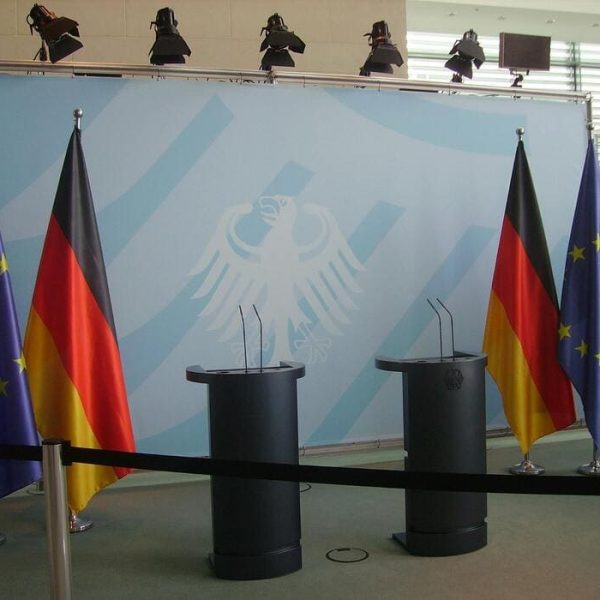
Public affairs and policy teams work in a world of fast-moving statements, careful wording and many audiences. A position paper, press release or briefing note may need to appear in several languages at the same moment, and every version must say exactly the same thing. A translation management system gives these teams the control they need over wording, versions and timing.
Why wording is political
In policy communication, a single adjective can change the message. Translators must respect nuance, avoid adding or removing meaning and use terms that official bodies recognise. Consistency across statements builds credibility, while inconsistency invites criticism and misunderstanding.
The problem with ad hoc handling
When documents are passed by email, versions multiply, and it becomes hard to tell which one was approved. Last-minute edits to the source may not reach every language. In a sensitive environment, such errors can become public embarrassments. A central system prevents these mistakes by keeping everything in one place.
What the system provides
A good translation management system collects documents, assigns translators, applies memory and glossaries, tracks deadlines and records approvals. Everyone involved sees the same status, and every change is logged, which is valuable when questions arise later.
Approved terminology
Policy language uses established terms, often defined by institutions or earlier documents. A shared glossary records these terms and their approved translations, with notes on context. Translators see them inside the editor, which keeps new statements aligned with earlier positions.
Reusing previous statements
Organisations repeat key messages across documents. Translation memory stores approved translations of these sentences and offers them again. This saves time under pressure, and it ensures that core messages remain identical across speeches, releases and reports.
Choosing a platform
Different systems suit different teams. A clear comparison of the best TMS list helps communications departments narrow the options and choose one that fits their volume, security needs and budget before they start trials.
Working under deadlines
Statements often need to go out within hours. Priority flags and automatic notifications let the right people see urgent work first. Managers can reassign tasks instantly and see which translators are available, so important documents are never stuck waiting.
Review and sign-off
Sensitive documents need review by someone who understands the political context. The platform should allow them to comment on specific passages and approve final text, with a record of who signed off. Locked versions prevent accidental changes after approval.
Security and confidentiality
Draft positions are often confidential until publication. Use role based access so only assigned people can see them, and keep activity logs. Clear security practices reassure stakeholders and prevent leaks through shared folders or email attachments.
Language on the web
Public documents often appear online, where language tagging and character handling matter. The W3C internationalization resources explain best practice for multilingual web content, which is useful when publishing statements in several languages and scripts.
Working with external translators
Policy teams often work with trusted freelancers and agencies. A platform lets them work inside your memory and glossary, with limited access to only the documents they need. Deliveries return to one place, and every approved sentence improves your resources.
Reporting for accountability
Reports show volume, languages, turnaround and review status. Communications directors can explain resources to leadership and justify improvements. In regulated or publicly funded settings, transparent records also support audits.
Putting it into practice
Start with one recurring document type, such as a weekly briefing. Import earlier translations, agree on key terms with the communications lead, and run one complete cycle from draft to publication. Record how long each step takes and what problems appear, then refine the process.
Keeping the process healthy
Review glossaries and memories every quarter, remove outdated entries and gather feedback from reviewers and colleagues. Small regular improvements keep quality high and prevent the slow build-up of inconsistencies as communication grows across several languages and channels.
Training your team
Show staff and translators how to submit documents, use glossaries and record approvals, and provide a one page guide with common problems and solutions. Teams that understand the process make fewer mistakes and respond to events much faster.
Protecting institutional voice
Write a short style guide describing tone, address form and words to avoid. Share it with every translator and keep it in the platform. A consistent voice makes the organisation recognisable in every language and builds trust with audiences over time.
Preparing for busy periods
Before elections, negotiations or major announcements, review your glossaries, reserve translators and agree on approval chains. Early preparation avoids last-minute stress and ensures that every language version is accurate and ready when the news breaks.
Final thoughts
Policy communication depends on precision and timing. A translation management system provides both by centralising documents, reusing approved wording and recording every decision. Start with one recurring document type, refine the process and extend it across the organisation.